




Steel Plate
Sino Special Metal Co., Ltd: You Professional Steel Plate Manufacturer!
Our company is a leading manufacturer of specialty steel products, serving industries such as automotive, water and wastewater treatment, petrochemical, oil and gas, and construction. Our product line includes pipes/tubes, flanges, plates, bars, and fittings.
Why choose us?
Wide range of applications
Our wide range of products is used in a variety of industries including renewable energy, wind power plants, oil and gas industry, onshore, offshore and refineries more.
Quality Assurance
Our products are manufactured using the finest materials and undergo rigorous quality control measures to ensure they meet the highest quality standards.
Wide Range of Material Options
We specialize in the production of a diverse array of products using premium material grades such as Hastelloy, Inconel, Incoloy, Monel, Duplex, Stainless Steel, Alloy Steel, Carbon Steel, Titanium and many more.
Professional Technical Team
Our company has a team of highly skilled and dedicated professionals committed to providing fast and reliable service at an affordable price.





Types of Steel Plate
Galvanised steel plates
Just like galvanised steel coils, galvanised steel plates are coated with zinc. It is made by immersing steel into molten zinc. The zinc coating offers steel strength and corrosion resistance.
01
Mild steel plates
Mild steel plates also known as MS plates are one of the most common steel plates used in construction. These plates have gained popularity due to its versatility.
02
Checkered steel plates
Checkered steel plates can easily be recognised by its raised surface in the design of checkers. These plates are widely used in flooring.
03
Black iron (BI) plates
Black iron plates are manufactured from mild steel and have low carbon content. It mainly contains aluminium and copper.
04
Galvanised iron (GI) plates
Galvanised iron plates are different from galvanised steel plates. Usually, galvanised iron is iron that has undergone galvanisation treatment. Iron is submerged into molten zinc and is applied with zinc coating.
05
Parameters of Steel Plate
|
Type |
Plate/Sheet/Strip/Coil |
|
|
Size |
Length |
0~12m or as per your requirements |
|
Width |
0~2500mm or as per your requirements |
|
|
Thickness |
0.3~1200mm or as per your requirements |
|
|
Process |
Hot/Cold Rolled |
|
|
Surface |
No.1 No.2D No.2B BA No.3 No.4 No.6 No.7 |
|
|
Packing |
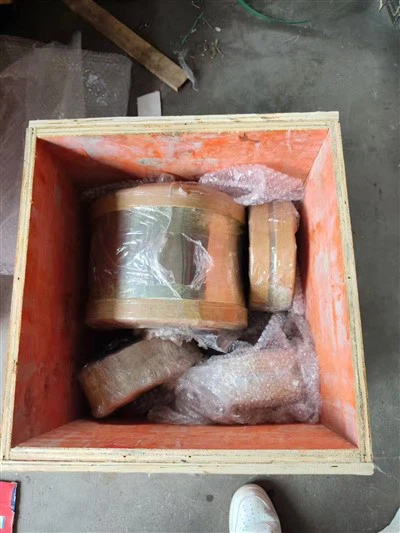
Steel Frame, waterproof paper, wooden pallet, wooden case or as per the client's requirements |
|
|
ASTM A387, ASTM A204, ASTM A515, ASTM A537 |
Grade 11, Grade 12, Grade 22, Grade 91 |
|
Surface Treatment of Steel Plate
Zinc phosphate priming
Steel surfaces can be painted with specially formulated primers in order to improve corrosion resistance as well as boost their visual appeal, with one of the most popular applications being zinc phosphate priming. Zinc phosphate is an inorganic chemical compound that can provide active or inhibitive corrosion resistance to low-alloy and carbon steel and zinc primer has been used in everything from construction to ship building to the automotive industry.
Chemical coating
The power coating, or chemical coating, technique uses electrostatic or compressed air to apply a specially formulated powdered material to the steel surface, following which it is melted to form a smooth protective film. Steel treated in this way is not only protected against corrosion and UV damage, it is also highly resistant to peeling, scratching and cracking. Because powdered chemical coatings have no liquid component thicker protective coatings can be applied and they also tend to emit fewer volatile organic compounds.
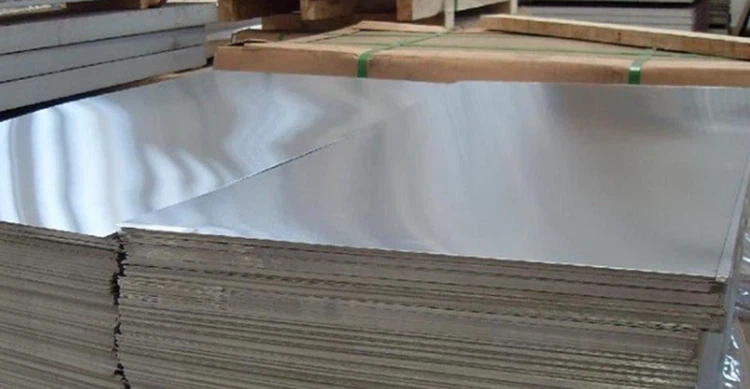

Hot dipping
This galvanization method can be used on steel of all shapes and sizes and involves immersing the steel in a bath of molten zinc at temperatures up to 450°C. When the zinc coated steel is removed from the bath, the zinc reacts with the oxygen and carbon dioxide in the atmosphere, the end result being a strong, dull material. Steel has been hot dipped in this way is highly protected against corrosion as well as extreme weather conditions and this is a particularly popular approach for pipe related applications.
Zinc spray metallizing
While it doesn’t provide quite the same protection as hot dip galvanising, the zinc spray metallising technique is highly effective against corrosion and is popular for its smooth finish. First the steel is shot blasted to create a roughened surface then the zinc spray is applied almost immediately, resulting in a solid bond being formed between the zinc and the steel. Because this is a ‘cold process’ there is no risk of distorting the metal, making it ideal for use on ornate metal components such as railings and fences.

Steps for Inspecting Steel Plates
Quantity and packing condition
The inspection begins with a quantity verification, checking the consistency with the purchase order, as well as examining the packing condition, including labelling accuracy and proper protection for transportation to prevent any damage during transit.
Visual inspection
The inspector will evaluate the products’ appearance at random using visual inspection, seeking any defects such as surface imperfections, scratches, or inconsistencies in finish. They also verify if there’s any identification information on the steel plates’ surface.
Dimension verification
The inspector employs calipers or a ruler for physical dimension verification, comparing the dimensions against the specified requirements and tolerances.
Witnessed chemical analysis
Another standard parameter is ensuring the stainless steel aligns with the specified requirements and industry standards. This verification is typically achieved by witnessing the factory’s chemical analysis. The inspector observes the entire process, from the sampling of the stainless steel material to the actual testing and analysis.
Document review
Last but certainly not least, the inspector reviews the provided documentation, including the material test certificate, certifications and standards compliance, and other relevant documents.
Application of Steel Plate
Construction
Steel plates play a versatile role in the construction industry. They’re particularly common in the construction of bridges, building, and warehouses. They’re also used for building large commercial structures like airports and sports arenas.
Military
Military buildings and vehicles are often fortified with the help of steel plates. They’re common in jeeps, tanks, trucks, helicopters, jets, and ships used for military purposes. They’re also used to test the strength of weapons and bullets. All branches of the military use steel plates in some fashion.
Ship construction
Easily welded and ultra-strong, steel plates are used in a significant number of ships and are probably one of the most commonly used materials in ship building. They’re also a key component of many oil rigs and in offshore construction. Their corrosion resistance makes them ideal for these applications.
Pressure vessels
Pressure vessels like gas tanks and boilers, which need to protect against leaks and extreme temperatures, are frequently made of steel plates. Oftentimes, these steel plates are specifically engineered to be able to hold gas or fluid contents at different temperatures to reduce the risk of explosion.
Shipping
Large shipping containers are commonly built using steel plates. Steel plates help preserve the life of these shipping containers due to their corrosion and rust resistance, and they are strong enough to protect all different types of cargo.
Oil and gas
In addition to being used for construction of rigs, many oil and gas pipelines use steel plates to maximize their strength and ensure they last longer without corroding. Steel plates can easily be welded to suit the needs of pipelines and can also be used for repair purposes when parts of pipelines need to be patched up.