




Steel Pipes
Sino Special Metal Co., Ltd: You Professional Steel Pipes Manufacturer!
Sino Special Metal (SSM) is a leading Exporter, Supplier and Stockiest of Stainless steel pipe,stainless steel pipe is used for transporting liquids and gasses in a wide range of industries including mining, oil, natural gas, automotive, and aviation. Our pipes strictly follow ASTM A312, A213, GB/T6893-2000 and other standards to ensure the reliability and safety of each pipe.
Why choose us?
Wide range of applications
Our wide range of products is used in a variety of industries including renewable energy, wind power plants, oil and gas industry, onshore, offshore and refineries more.
Quality Assurance
Our products are manufactured using the finest materials and undergo rigorous quality control measures to ensure they meet the highest quality standards.
Wide Range of Material Options
We specialize in the production of a diverse array of products using premium material grades such as Hastelloy, Inconel, Incoloy, Monel, Duplex, Stainless Steel, Alloy Steel, Carbon Steel, Titanium and many more.
Professional Technical Team
Our company has a team of highly skilled and dedicated professionals committed to providing fast and reliable service at an affordable price.
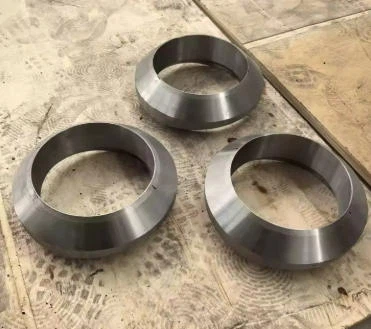
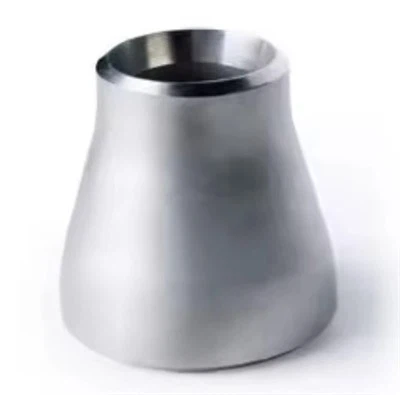


Types of Steel Pipes
Carbon steel pipes:
Known for their strength and durability, used in oil and gas industries.
Stainless steel pipes:
Resistant to corrosion and high temperatures, used in chemical, food, and pharmaceutical industries.
Alloy steel pipes:
Made with a mixture of metals to achieve specific properties, used in high-stress applications.
Galvanized steel pipes:
While not as strong as stainless steel, they are still used in industrial piping systems, especially for plumbing and outdoor applications.
Tool steel pipes:
Tool steel pipes are tough, strong, ductile, and corrosion resistant. They are softer compared to other types of steel and can retain cutting edges in high temperatures.
Black steel pipe (uncoated):
This is the most common type, used for general construction and low-pressure applications.
Specifications of Steel Pipes
|
Standard Specification |
ASTM A 312/ ASME SA 312/ A790/ SA790/ EN10216-5 |
|
Size |
½” to 6” NB Sch 10s, 40s, & 80s, 160s |
|
Wall Thickness |
0.1 - 60 mm |
|
SS Seamless Pipe Length |
Single Random Length 5to7 mtr Double Random Length 10-12 mtr |
|
Seamless SS Pipe Surface Finish |
Cold Finish, Bright, Polished, Annealing, Pickling, or as per client requirements |
|
Standard |
JIS, AISI, ASME, ASTM, AMS, GB, DIN, EN, GOST |
|
Manufacturing types |
Seamless, Welded, ERW, EFW |
|
Manufacturing Shapes |
Round, Square, Rectangle, Box Section |
|
Manufacturing Technology |
Hot / Cold Formed |
|
Hot SS Pipe grades |
ASTM A312 TP304 ASTM A312 TP304L ASTM A312 TP316 ASTM A312 TP316L ASTM A312 TP321 ASTM A312 TP321H ASTM A312 TP347H ASTM A312 TP347 ASTM A312 TP310S ASTM A312 TP304H Stainless Steel 410 Pipe Stainless Steel 317L Pipe Stainless Steel 310 Pipe Stainless Steel 316H Pipe |
|
Other Grades |
SS 446 |
Surface Treatment of Steel Pipes
Pickling: This process involves the use of an acid solution, usually a mixture of nitric and hydrofluoric acid, to remove scales, oxides, and other impurities from the surface of the stainless steel pipe. Pickling leaves the surface clean and corrosion-resistant.
Passivation: Passivation is the process of treating stainless steel with an oxidizing acid solution to remove any free iron from the surface and enhance the formation of a protective oxide layer. This helps in preventing corrosion and improves the overall corrosion resistance of the stainless steel.
Electropolishing: Electropolishing is an electrochemical process that removes a thin layer of material from the stainless steel surface, resulting in a smooth, shiny finish. This process not only improves the aesthetics but also enhances corrosion resistance by removing embedded contaminants.
Grinding and polishing: Mechanical processes like grinding and polishing are used to achieve specific surface finishes on stainless steel pipes. This can range from a coarse abrasive finish to a mirror-like polish, depending on the desired application.
Blasting: Stainless steel pipes can undergo abrasive blasting using materials like glass beads, aluminum oxide, or stainless steel shot. This process removes surface contaminants and imparts a uniform matte finish.
Coating: Coating methods, such as painting or powder coating, can be applied to the surface of stainless steel pipes for decorative purposes or to provide additional corrosion resistance. However, this is more common in non-industrial applications.
Heat coloring: Controlled heating of the stainless steel surface can produce a range of colors through the formation of a thin oxide layer. This method is often used for decorative purposes and does not compromise the corrosion resistance of the material.
Pickling and passivation combined: Some processes combine pickling and passivation to achieve a comprehensive surface treatment that removes impurities and enhances the corrosion resistance of stainless steel.
Steel Pipe Inspection Process

(1) Geometric dimension inspection of steel pipes
The outer diameter, wall thickness, curvature, and length of the steel pipe can be checked on the inspection table with an external caliper, a micrometer, a curvature ruler, and a length tape.
The outer diameter, wall thickness and length can also be continuously detected by automatic size detection devices (such as automatic diameter measurement, thickness measurement, and length measurement devices). Steel pipe production plants put into production in the late 1980s generally have on-line automatic diameter and thickness measuring devices, and length measuring and weighing equipment in the finishing area. For OCTG pipes, it is also necessary to check the thread parameters.
(2) Inspection of the inner and outer surfaces of steel pipes
Generally, visual inspection is used to inspect the inner and outer surfaces, and in addition to visual inspection, the inner surface can also be inspected by using a reflective prism. Some special-purpose steel pipes also require non-destructive testing, including eddy current, magnetic flux leakage, ultrasonic, magnetic particle inspection, etc. to check the quality of the inner and outer surfaces of the steel pipe.


(3) Inspection of mechanical properties and process properties
In order to verify that the mechanical properties of the steel pipe meet the requirements of the standard, it is necessary to test the mechanical properties of the steel pipe samples.
Mechanical properties testing mainly includes tensile strength, yield strength, elongation, impact energy, etc. Process performance inspection mainly includes flattening test, flaring test, hydraulic test, curling test, cold bending test, perforation test, etc. These inspection items are selected according to different standards and differences in the use of steel pipes.
(4) Non-destructive testing
Non-destructive testing refers to the direct inspection of internal and surface defects of steel pipes without damaging them. At present, magnetic flux leakage flaw detection, ultrasonic flaw detection, eddy current and fluorescent magnetic particle flaw detection have been widely used in steel pipe enterprises. In recent years, the non-destructive flaw detection method has made great progress, and recently new technologies such as acoustic emission holography, ultrasonic spectrum analysis flaw detection, ultrasonic imaging flaw detection, and ultrasonic high-temperature flaw detection have emerged.

Applications & Industries served
Water and wastewater systems:
Stainless steel pipes are widely used in water supply systems, wastewater treatment plants, and plumbing applications. Their corrosion resistance and hygienic properties make them ideal for carrying potable water and managing sewage.
Oil and gas industry:
Stainless steel pipes are extensively used in the oil and gas sector for exploration, production, and transportation. They are suitable for conveying various fluids, including crude oil, natural gas, and corrosive chemicals, in offshore and onshore environments.
Chemical and petrochemical processing:
Stainless steel pipes are vital in chemical and petrochemical plants, where they handle corrosive substances, acids, and aggressive chemicals. They provide the necessary resistance to corrosion and maintain the integrity of the process systems.
Food and beverage industry:
Stainless steel pipes are prevalent in the food and beverage industry due to their hygiene, cleanliness, and resistance to corrosion. They are used for conveying food products, beverages, and dairy products, as well as for process piping in breweries, wineries, and food processing plants.
Pharmaceutical industry:
Stainless steel pipes play a crucial role in pharmaceutical manufacturing and processing. They are used for transferring fluids, chemicals, and pharmaceutical ingredients while maintaining a sterile and hygienic environment.
Construction and architecture:
Stainless steel pipes are utilized in architectural and construction projects for structural purposes, handrails, façades, and decorative elements. They offer durability, aesthetic appeal, and resistance to environmental factors, making them suitable for both interior and exterior applications.