


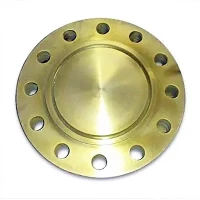


Cu Ni Alloy ASTM ASME SB 466 Wrought Buttwelding Fittings
Types of Cu-Ni Alloy Wrought Buttwelding Fittings:
Elbows: Used to change the direction of the piping system.
Tees: Branching fittings with three openings.
Reducers: Connects pipes or fittings with different diameters.
Caps: Used to seal the end of a pipe.
Crosses: Fittings with four openings for branching pipelines into three directions.
Materials Composition:
Copper-nickel alloys, designated as Cu-Ni, consist of various proportions of copper (Cu) and nickel (Ni), along with small amounts of other elements for enhancing specific properties. The most common Cu-Ni alloys for buttwelding fittings are:
Cu-Ni 90/10 (90% copper, 10% nickel)
Cu-Ni 70/30 (70% copper, 30% nickel)
Mechanical Properties:
Cu-Ni 90/10 typically has a tensile strength of around 345 MPa and a yield strength of approximately 125 MPa.
Cu-Ni 70/30 typically exhibits a tensile strength of about 375 MPa and a yield strength of around 140 MPa.
These properties may vary slightly depending on factors such as heat treatment and manufacturing processes.
Common Sizes:
Cu-Ni alloy wrought buttwelding fittings are available in various sizes, typically ranging from 1/2 inch to 24 inches in diameter, with common schedules including Sch 10, Sch 40, Sch 80, and Sch 160.
Applications:
Cu-Ni alloy wrought buttwelding fittings are commonly used in industries and applications where corrosion resistance and thermal stability are crucial. Some common applications include:
Marine and offshore systems
Shipbuilding
Desalination plants
Chemical processing
Oil and gas processing
Power generation
HVAC systems
Frequently Asked Questions (Q&A):
Q: Can Cu-Ni alloy wrought buttwelding fittings be used in seawater environments?
A: Yes, Cu-Ni alloys are highly resistant to corrosion in seawater, making them ideal for marine applications.
Q: What are the advantages of Cu-Ni alloy fittings?
A: Cu-Ni alloys offer excellent resistance to corrosion, biofouling, and erosion, along with good thermal conductivity and ductility.
Q: Are Cu-Ni alloy wrought buttwelding fittings compatible with other materials?
A: Yes, these fittings can be welded to pipes or fittings made from compatible materials, including other copper-based alloys and certain stainless steels.
Q: What standards govern the manufacturing of Cu-Ni alloy wrought buttwelding fittings?
A: ASTM/ASME SB 466 specifies the requirements for Cu-Ni alloy wrought buttwelding fittings, ensuring they meet specific dimensional, material, and mechanical property standards.
Q: Can Cu-Ni alloy wrought buttwelding fittings be customized for specific applications?
A: Yes, manufacturers can provide custom fittings tailored to the requirements of specific applications, including non-standard sizes, configurations, and materials.
Hot Tags: cu ni alloy astm asme sb 466 wrought buttwelding fittings, China cu ni alloy astm asme sb 466 wrought buttwelding fittings manufacturers, suppliers, factory, titanium threaded pipe fittings, duplex pipe fittings, Duplex Steel Pipe Fittings, titanium tube fittings, titanium forged fittings, Alloy Steel Pipe Fittings
You Might Also Like

Send Inquiry