


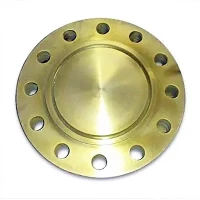


ASTM ASME SA 234 Alloy Steel Wrought Buttwelding Fittings
ASTM/ASME SA 234 Alloy Steel Wrought Buttwelding Fittings are used in various industries for joining or connecting piping components. Here's an overview of these fittings, including types, materials, compositions, common sizes, applications, and common questions:
Types:
Elbows: Alloy steel elbows allow for changes in direction within a piping system and come in various angles, including 45 degrees, 90 degrees, and 180 degrees.
Tees: Alloy steel tees have three openings, typically used to branch a pipeline into two directions.
Reducers: These fittings connect pipes or fittings with different diameters, allowing for a change in pipe size within a piping system.
Caps: Caps seal the end of a pipe, preventing the flow of fluid or gas.
Crosses: Crosses have four openings, allowing for branching a pipeline into three directions.
Materials and Compositions:
Alloy steel wrought buttwelding fittings are made from various alloy steels to provide specific properties such as enhanced corrosion
resistance, high-temperature strength, or improved mechanical properties. Common alloy steel grades used for these fittings include:
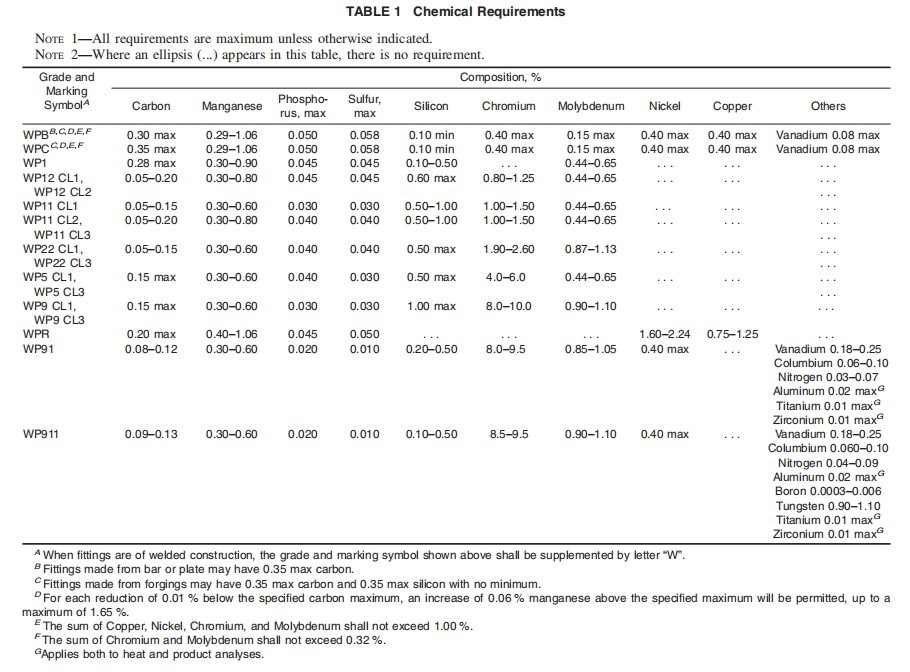
ASTM/ASME SA 234 WP5, WP9, WP11, WP12, WP22, WP91
Other alloy steel grades as per customer requirements
The compositions of alloy steel fittings vary depending on the specific grade and application.
Common Sizes:
Alloy steel wrought buttwelding fittings are available in various sizes, typically ranging from 1/2 inch to 24 inches in diameter. Common schedules include Sch 10, Sch 40, Sch 80, and Sch 160, among others.
Applications:
Alloy steel wrought buttwelding fittings find applications in industries and piping systems requiring specific properties such as corrosion resistance, high-temperature strength, or improved mechanical properties. Common applications include:
Oil and gas
Petrochemical
Chemical processing
Power generation
Water treatment
Aerospace
Marine
Construction
Frequently Asked Questions (Q&A):
Q: Can alloy steel wrought buttwelding fittings be used for high-temperature applications?
A: Yes, alloy steel fittings are often selected for high-temperature applications due to their excellent high-temperature strength and resistance to oxidation and corrosion.
Q: What are the pressure ratings of alloy steel wrought buttwelding fittings?
A: Pressure ratings depend on factors such as the material, size, and design of the fittings. Manufacturers provide guidelines and tables for determining pressure ratings based on these factors.
Q: Are alloy steel wrought buttwelding fittings compatible with other materials?
A: Yes, these fittings can be welded to pipes or fittings made from compatible materials, including other alloy steels and certain stainless steels.
Q: Are there standards for the dimensions and tolerances of alloy steel wrought buttwelding fittings?
A: Yes, ASTM/ASME SA 234 specifies detailed specifications for the dimensions, tolerances, materials, and testing requirements of alloy steel wrought buttwelding fittings.
Q: Can alloy steel wrought buttwelding fittings be customized for specific applications?
A: Yes, manufacturers can provide custom fittings tailored to the requirements of specific applications, including non-standard sizes, configurations, and materials.
Hot Tags: astm asme sa 234 alloy steel wrought buttwelding fittings, China astm asme sa 234 alloy steel wrought buttwelding fittings manufacturers, suppliers, factory, Inconel Pipe Fittings, titanium threaded pipe fittings, stainless steel tee, Nickel Alloy Pipe Fittings, titanium forged fittings, Duplex Steel Pipe Fittings
You Might Also Like
Send Inquiry