


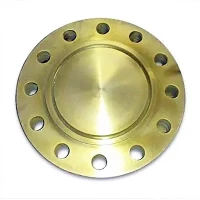


Alloy Steel Plate
Producing Standard: ASTM, ASME, EN, DIN, and JIS
Material Standard: ASTM A387, ASTM A204, ASTM A515, ASTM A537
Common Material: Grade 11, Grade 12, Grade 22, Grade 91, and more.
Length: 0~12m or as per your requirements
Width: 0~2500mm or as per your requirements
Thickness: 0.3~1200mm or as per your requirements
What is Alloy Steel Plates
Alloy steel plates are flat metal sheets made from steel that has been combined with other elements, such as nickel, chromium, molybdenum, or vanadium, to create a material with improved properties compared to regular carbon steel. The addition of these alloying elements can result in enhanced strength, toughness, corrosion resistance, and wear resistance, depending on the specific alloy used.
|
Type |
Plate/Sheet/Strip/Coil |
|
|
Size |
Length |
0~12m or as per your requirements |
|
Width |
0~2500mm or as per your requirements |
|
|
Thickness |
0.3~1200mm or as per your requirements |
|
|
Process |
Hot/Cold Rolled |
|
|
Surface |
No.1 No.2D No.2B BA No.3 No.4 No.6 No.7 |
|
|
Packing |
Steel Frame, waterproof paper, wooden pallet, wooden case or as per the client's requirements |
|
SSM offers Alloy Steel Plate in different material standards and grades:
|
ASTM A387, ASTM A204, ASTM A515, ASTM A537 |
Grade 11, Grade 12, Grade 22, Grade 91
|
The following are the specifications of Alloy Steel Plate available at SSM:
Material: ASTM A387 Grade 11, Grade 12, Grade 22, Grade 91, and more
Thickness: 5mm to 150mm
Width: up to 4,000mm
Length: up to 12,000mm
Surface Treatment: hot rolled, normalized, tempered, and more
Features: high strength, excellent toughness, good weldability, corrosion resistance, and wear resistance.
Applications of Alloy Steel Plate:
Construction: Alloy steel plates are used in the construction of buildings, bridges, and other structures that require high strength and durability.
Automotive: Alloy steel plates are used in the manufacturing of parts and components for automobiles, such as axles, gears, and engine parts.
Aerospace: Alloy steel plates are used in the aerospace industry to manufacture components such as landing gears, structural frames, and engine parts.
Energy: Alloy steel plates are used in the energy sector to build equipment for oil and gas exploration, including drilling rigs, pipelines, and storage tanks.
Manufacturing: Alloy steel plates are used in manufacturing processes that require high strength and durability, such as machinery and equipment manufacturing.
Mining: Alloy steel plates are used in the mining industry to manufacture equipment such as conveyor belts, crushers, and screens.

Pros and Cons of Alloy Steel Plate:
Pros:
High strength and durability: Alloy steel plates are stronger and more durable than regular carbon steel plates.
Corrosion and wear resistance: The addition of alloying elements in the steel improves its resistance to corrosion and wear.
Versatility: Alloy steel plates can be used in a wide range of applications across different industries due to their various grades and specifications.
Cons:
Higher cost: Alloy steel plates are generally more expensive than carbon steel plates due to the addition of alloying elements.
Difficulty in welding: Some types of alloy steel can be more difficult to weld compared to regular carbon steel.
Potential brittleness: In some cases, the addition of alloying elements can lead to increased brittleness, which can affect the machinability of the steel.
Popular Nickel Alloy Plate Available at SSM:
Common Types: Plate/Sheet/Strip/Coil
Materials: Grade 11, Grade 12, Grade 22, Grade 91
Length: from 2000 mm to 6000 mm
Width: from 1000 mm to 2000 mm
Thickness: 0.5 mm to 50 mm or more.
Custom sizes may also be available.
Surface finish: hot-rolled, cold-rolled, and galvanized.
The Packaging of Alloy Steel Plates:
Wooden crates: Alloy steel plates are often packed in wooden crates to protect them during transportation. The crates may be lined with waterproof materials to prevent moisture damage.
Plastic wrapping: Alloy steel plates can be wrapped in plastic to protect them from scratches and corrosion during shipping.
Pallets: Alloy steel plates can be stacked on pallets and wrapped in plastic or shrink wrap to secure them during transportation.
Custom packaging: Some suppliers offer custom packaging options to meet the specific requirements of their customers. This may include special coatings, anti-corrosion packaging, or other protective measures.

SSM offers a wide variety of alloy steel plates, including popular grades such as ASTM A387, ASTM A204, and ASTM A572. These plates are available in various dimensions, compositions, and mechanical properties to meet the specific requirements of different applications. With its commitment to quality and customer satisfaction, SSM strives to provide high-quality alloy steel plates that are reliable, durable, and cost-effective.
FAQ
What are the applications of alloy steel plates?
Alloy steel plates are commonly used in applications where high strength, durability, and corrosion resistance are required, such as in construction, machinery, and transportation.
What are the potential drawbacks of using alloy steel plates?
The potential drawbacks of using alloy steel plates include higher cost compared to carbon steel plates, potential difficulty in welding, and increased brittleness in some cases.
Hot Tags: alloy steel plate, China alloy steel plate manufacturers, suppliers, factory, sa 387 gr 22 plate, carbon steel coils, 316 stainless steel plate, 90 10 copper nickel sheet, metal sheet, Nickel Alloy Plates
Next
Monel PlatesYou Might Also Like
Send Inquiry