


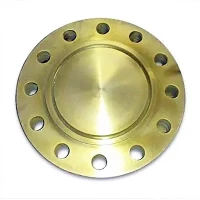


ASTM B162 UNS N02200 Nickel 200 N02201 Nickel 201 Plates
ASTM B162 UNS N02200 Nickel 200 and UNS N02201 Nickel 201 are specifications for nickel plates, sheets, and strips, as outlined by the American Society for Testing and Materials (ASTM). These specifications define the requirements for the chemical composition, mechanical properties, dimensions, tolerances, surface finish, and testing methods for Nickel 200 and Nickel 201 materials.
Nickel 200 (UNS N02200) and Nickel 201 (UNS N02201) are commercially pure wrought nickel alloys with similar chemical compositions but slight differences in carbon content, which affect their mechanical properties and thermal stability. Nickel 200 has a lower carbon content, while Nickel 201 has a higher purity with lower carbon and sulfur levels.
These materials are highly corrosion resistant and possess excellent mechanical properties, making them suitable for a wide range of applications across various industries, including chemical processing, electronics, aerospace, marine engineering, and more. Common applications include chemical storage and processing equipment, electronic components, heat exchangers, piping systems, marine hardware, and others.
ASTM B162 specifies the requirements for Nickel 200 and Nickel 201 plates in various forms such as hot rolled, cold rolled, annealed, and polished plates. Manufacturers produce these plates in different sizes, thicknesses, and surface finishes to meet specific customer requirements and application needs.
Common Types:
Hot Rolled Plates: Produced by rolling the ingot at high temperatures. They offer good surface finish and dimensional accuracy.
Cold Rolled Plates: Processed at room temperature, resulting in improved surface finish and tighter dimensional tolerances.
Annealed Plates: Heat treated to relieve internal stresses and improve mechanical properties.
Polished Plates: Subjected to mechanical or chemical polishing for enhanced surface smoothness and appearance.
Common Sizes:
Thickness: 0.1 mm - 50 mm
Width: Up to 2500 mm
Length: Up to 12000 mm
Chemical Composition (Typical):
Nickel 200 (UNS N02200):
Nickel (Ni): 99.0% min
Iron (Fe): 0.40% max
Manganese (Mn): 0.35% max
Carbon (C): 0.15% max
Silicon (Si): 0.35% max
Copper (Cu): 0.25% max
Sulfur (S): 0.01% max
Nickel 201 (UNS N02201):
Nickel (Ni): 99.0% min
Iron (Fe): 0.40% max
Manganese (Mn): 0.35% max
Carbon (C): 0.02% max
Silicon (Si): 0.35% max
Copper (Cu): 0.25% max
Sulfur (S): 0.01% max
Mechanical Requirements:
Nickel 200:
Tensile Strength: 55 ksi (380 MPa) min
Yield Strength (0.2% offset): 15 ksi (105 MPa) min
Elongation: 40% min
Nickel 201:
Tensile Strength: 58 ksi (400 MPa) min
Yield Strength (0.2% offset): 15 ksi (105 MPa) min
Elongation: 40% min
Applications:
Nickel 200 and Nickel 201 plates find widespread use in various industries, including chemical processing, electronics, aerospace, and marine engineering.
Common applications include chemical storage and processing equipment, electronic components, heat exchangers, piping systems, and marine hardware.
These alloys offer excellent corrosion resistance, particularly in alkaline and reducing environments, making them suitable for a wide range of corrosive applications.
Q&A:
Q: What is the difference between Nickel 200 and Nickel 201?
A: Nickel 201 has a lower carbon content compared to Nickel 200, resulting in improved resistance to embrittlement at high temperatures and enhanced thermal stability.
Q: Can Nickel 200 and Nickel 201 plates be welded?
A: Yes, both Nickel 200 and Nickel 201 are weldable using conventional welding techniques. However, proper welding procedures and post-weld heat treatment may be necessary to minimize the risk of weld cracking and maintain corrosion resistance.
Q: What are the limitations of Nickel 200 and Nickel 201?
A: While Nickel 200 and Nickel 201 offer excellent corrosion resistance in a wide range of environments, they may not be suitable for applications involving strong oxidizing acids or high-temperature environments exceeding 600°F (315°C).
Q: How does Nickel 200 and Nickel 201 compare to other nickel alloys?
A: Nickel 200 and Nickel 201 offer superior resistance to corrosion and oxidation compared to many other nickel alloys, particularly in reducing environments. However, they may have lower strength and toughness compared to some nickel-chromium alloys.
Q: Can Nickel 200 and Nickel 201 plates be used in high-pressure applications?
A: Yes, Nickel 200 and Nickel 201 exhibit good mechanical properties and corrosion resistance at high pressures, making them suitable for pressure vessel applications in various industries. However, proper design and material selection are essential to ensure safety and reliability.
Nickel 200 and Nickel 201 plates are highly versatile and find widespread use in critical applications where corrosion resistance and thermal stability are paramount.
Hot Tags: astm b162 uns n02200 nickel 200 n02201 nickel 201 plates, China astm b162 uns n02200 nickel 200 n02201 nickel 201 plates manufacturers, suppliers, factory, p91 pipe, monel k500 pipe, inconel 600 pipe, 625 inconel tubing, Monel Pipes, spiral steel pipe
You Might Also Like

Send Inquiry