




ASTM ASME SB 166 Inconel 600 601 UNS N06600 N06601 Bar
ASTM/ASME SB 166 is the specification for Inconel 600 and 601 bars. Inconel 600 (UNS N06600) and Inconel 601 (UNS N06601) are nickel-chromium alloys known for their excellent corrosion resistance, high-temperature strength, and good fabricability. Here's a detailed overview:
Common Types:
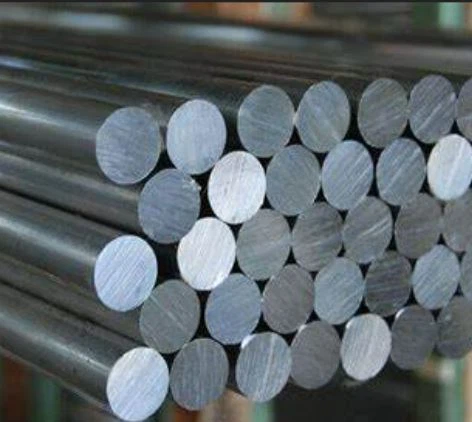
Round Bars: Most common type, available in various diameters.
Square Bars: Offered in square cross-sections, suitable for different applications.
Hexagonal Bars: Have six sides and are often used for fasteners and fittings.
Flat Bars: Have a rectangular cross-section, used for structural applications.
Forged Bars: Produced by forging process, providing better mechanical properties.
Common Sizes:
Diameter: 5 mm - 500 mm
Length: Up to 12 meters
Chemical Composition (Typical):
Inconel 600:
Nickel (Ni): 72.0% min
Chromium (Cr): 14.0 - 17.0%
Iron (Fe): 6.0 - 10.0%
Carbon (C): 0.15% max
Manganese (Mn): 1.0% max
Silicon (Si): 0.5% max
Sulfur (S): 0.015% max
Inconel 601:
Nickel (Ni): 58.0 - 63.0%
Chromium (Cr): 21.0 - 25.0%
Iron (Fe): Balance
Aluminum (Al): 1.0 - 1.7%
Carbon (C): 0.10% max
Manganese (Mn): 1.0% max
Silicon (Si): 0.50% max
Sulfur (S): 0.015% max
Mechanical Requirements:
Inconel 600:
Tensile Strength: 80 ksi (550 MPa) min
Yield Strength (0.2% offset): 30 ksi (205 MPa) min
Elongation: 30% min
Inconel 601:
Tensile Strength: 80 ksi (550 MPa) min
Yield Strength (0.2% offset): 30 ksi (205 MPa) min
Elongation: 30% min
Applications:
Inconel 600 and 601 bars find extensive use in chemical processing, aerospace, heat treatment, and furnace components.
Common applications include furnace parts, chemical processing equipment, heat exchangers, boilers, and pressure vessels operating at high temperatures and corrosive environments.
Q&A:
Q: What makes Inconel 600 and 601 bars suitable for high-temperature applications? A: Inconel 600 and 601 offer excellent mechanical properties and oxidation resistance at elevated temperatures, making them suitable for high-temperature applications such as furnace components and heat treatment equipment.
Q: Can Inconel 600 and 601 bars be welded? A: Yes, both Inconel 600 and 601 are readily weldable using common welding techniques. They exhibit good weldability and retain their corrosion resistance in the welded area, making them suitable for fabricating complex structures and equipment.
Q: What are the limitations of Inconel 600 and 601? A: While Inconel 600 and 601 offer excellent corrosion resistance and high-temperature strength, they may not be suitable for applications involving strong oxidizing environments or sulfur-containing atmospheres at high temperatures.
Q: How do Inconel 600 and 601 compare to each other? A: Inconel 601 has a higher nickel content and the addition of aluminum, providing better oxidation resistance compared to Inconel 600. This makes Inconel 601 more suitable for applications involving high-temperature oxidation.
Q: Can Inconel 600 and 601 bars be used in marine applications? A: Inconel 600 and 601 are not typically used in marine applications due to their susceptibility to stress corrosion cracking in chloride-containing environments. For marine applications, alloys with higher nickel content like Inconel 625 are preferred.
Inconel 600 and 601 bars are highly versatile and offer exceptional corrosion resistance, mechanical properties, and weldability, making them ideal for critical applications in corrosive environments across various industries. Proper material selection and fabrication techniques are essential to maximize the performance and longevity of Inconel 600 and 601 components.
Hot Tags: astm asme sb 166 inconel 600 601 uns n06600 n06601 bar, China astm asme sb 166 inconel 600 601 uns n06600 n06601 bar manufacturers, suppliers, factory, 254 smo round bar, Stainless Steel 304 Round Bar, ASTM A105 Round Bar, c276 round bar, high carbon steel rod, 316L Stainless Steel Round Bar
You Might Also Like


Send Inquiry